


Thoracic osteochondrosis is a common disease that presents with a variety of symptoms and affects occupational activities.Clinical signs of the disease are associated with dystrophic changes in the thoracic spine, discs, and ligaments.The disease often coexists with cervical chondrosis and, if left untreated, can reduce quality of life.
Causes of thoracic osteochondrosis

The reasons are related to metabolic disorders, blood vessels, endocrine diseases, congenital diseases, etc.Disease can negatively affect the nutrition of the intervertebral disc, disrupting its structure and normal function.The resulting disc disorder can lead to growth of cartilage tissue on the vertebrae, changes to ligaments and joints.The spine stops functioning normally during flexion, extension, and other movements, causing compression of the spinal cord, blood vessels, and nerve endings.
The following conditions can trigger the occurrence of osteochondrosis:
- Incorrect posture, scoliosis;
- Back injuries;
- lack of physical activity;
- genetics;
- bad habits;
- Nervousness, physical tension, stress;
- Overload on the back and spine when wearing high heels, during pregnancy, or with flat feet;
- Physical labor is hard.
Cervicothoracic osteochondrosis occurs due to hypothermia, prolonged exposure to forced uncomfortable positions, and infectious diseases.The disease often occurs in areas with poor ecology and unfavorable climatic conditions.
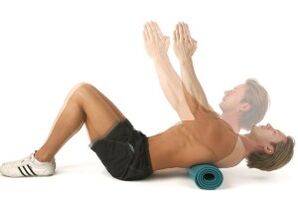
A sedentary lifestyle and physical activity can also adversely affect the discs in the thoracic spine, increasing the likelihood of injury.The discs lose their shock-absorbing ability; they cannot protect the vertebrae from contacting each other.The result is growth of cartilage tissue and complete degeneration of the disc.
The condition is aggravated by failure to adhere to a daily routine, colds and excessive nervousness.Preventative treatment twice a year can reduce the likelihood of the condition getting worse.
Common thoracic osteochondrosis often masquerades as other conditions.To make an accurate diagnosis, it is worth conducting additional tests.
Symptoms of thoracic osteochondrosis
Osteochondrosis of the thoracic spine masquerades as other diseases - angina, gastritis, neuralgia, pancreatitis.Due to dysfunction of the thoracic spine, the nerve endings leading to these organs are compressed, thereby affecting the occurrence of pain in these organs.If pain occurs in these organs, a thorough examination is needed; a correct diagnosis will help cure the disease.

Osteochondrosis presents with the following symptoms:
- Severe pain in back - between shoulder blades, thoracic spine;
- Exhalation and inspiration are accompanied by pain;
- Heartache: pressure, soreness, squeezing;
- numbness of body parts;
- Pain when bending or doing manual labor.
The difference between osteochondrosis and angina is that the pain of heart disease is diffuse, while the pain of osteochondrosis is punctate.Thoracic spine imaging, visceral ultrasound, and electrocardiogram are helpful in identifying diseases during diagnosis.The symptoms of thoracic osteochondrosis are similar to those of diseases of the pancreas, liver, and lungs.If pain occurs, you should consult a neurologist, who will determine whether osteochondrosis is present.
Treatment of osteochondrosis
Thoracic osteochondrosis requires complex medication, lifestyle changes, and special exercises.In the acute phase of the disease, bed rest is required for several days and activities are restricted.NSAIDs are used as medicine.This medicine has a moderate analgesic effect.To relieve pain, injectable and tablet painkillers are used, and sometimes novocaine blockers are used.
Use medicated anti-inflammatory ointments to relieve muscle tension, numbness, and soreness.During recovery, a proper massage session is important to relax muscles and improve blood supply to the spinal cord, spine, and internal organs.
Gymnastics is suitable to be performed between attacks - it restores the mobility of the vertebrae and helps to improve the function of the ligaments.The neurologist will recommend an individual course of treatment that focuses on the symptoms of the disease, the stage of vertebrae destruction, age and the presence of other medical conditions.It is important not to cause additional damage to the spine when performing gymnastics.
Exercise every day while keeping your health under control.After the signs of the disease have been eliminated, it is important to remember that it may return.Therefore, a balanced diet, no bad habits, and moderate exercise should become the norm in life.